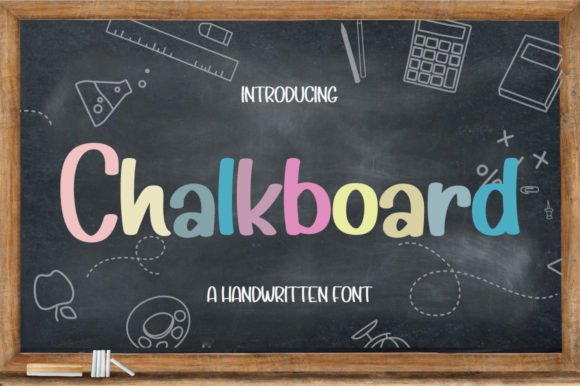
Chalkboard: A Strategic Design Tool for Creative and Professional Communication
Chalkboard is more than just a font—it’s a design choice that can elevate your visual communication, add personality to your brand, and make your message stand out. This fun and smart-looking display font has a unique hand-drawn aesthetic that mimics the look of chalk on a blackboard. Its versatility makes it ideal for a wide range of applications, from invitations and greeting cards to logos and business cards. When used strategically, Chalkboard can enhance your creative projects, reinforce your brand identity, and support your communication goals in meaningful ways.
Understanding the Value of Chalkboard in Design
At its core, Chalkboard is a display font designed to capture attention with its casual yet elegant style. It features soft edges, subtle imperfections, and a nostalgic feel that evokes the charm of traditional classroom settings. These characteristics make it particularly effective for projects that aim to convey warmth, creativity, or a sense of community.
For professionals, educators, and creators, the strategic use of Chalkboard can be a powerful tool for differentiation. In an era where visual clutter is common, a well-chosen font can help your message cut through the noise. Whether you're designing a marketing campaign, creating educational materials, or building your personal brand, Chalkboard offers a distinctive option that aligns with both aesthetics and functionality.
Why Choose Chalkboard for Your Projects?
- Unique Visual Identity: Chalkboard adds a touch of originality to any design, helping you stand out in a crowded market.
- Emotional Connection: The font's hand-drawn appearance creates a sense of authenticity and approachability, which can be especially valuable in branding and customer engagement.
- Versatility: From digital media to print, Chalkboard works across multiple platforms and formats, making it a flexible choice for various use cases.
- Timeless Appeal: The nostalgic quality of Chalkboard ensures it remains relevant and appealing across different generations and cultures.
Strategic Use Cases for Chalkboard
The effectiveness of Chalkboard lies in how it's applied. Here are some practical scenarios where this font can serve as a strategic asset:
1. Branding and Logo Design
A logo is often the first point of contact between a brand and its audience. Using Chalkboard in logo design can communicate a friendly, approachable image while maintaining professionalism. It’s especially suitable for businesses in education, entertainment, or creative industries where a relaxed yet intelligent vibe is desired.
Before finalizing your logo, consider how Chalkboard will interact with other design elements such as colors, spacing, and imagery. Ensure that the font complements your overall brand identity rather than clashing with it.
2. Marketing and Advertising Materials
Whether you're creating social media posts, email campaigns, or print advertisements, Chalkboard can help your content feel more engaging and memorable. Its playful nature can be leveraged to create a sense of fun and curiosity, encouraging audiences to interact with your message.
However, it’s important to balance playfulness with clarity. Avoid using Chalkboard for long blocks of text where readability is crucial. Instead, use it for headlines, taglines, or call-to-action buttons to draw attention without sacrificing legibility.
3. Educational and Learning Resources
Chalkboard is inherently tied to the concept of learning, making it a natural fit for educational materials. From worksheets and presentations to online courses and study guides, this font can create a welcoming environment that encourages engagement and retention.
When designing learning resources, consider pairing Chalkboard with clean, easy-to-read fonts for body text. This combination ensures that the visual appeal of Chalkboard enhances the learning experience without distracting from the content itself.
Planning and Decision-Making with Chalkboard
Incorporating Chalkboard into your design strategy requires thoughtful planning. Here are some key considerations to keep in mind:
Know Your Audience
Before selecting Chalkboard, understand who your target audience is. While its whimsical style may resonate with younger demographics or creative professionals, it might not be appropriate for all contexts. For example, a high-end corporate brand may find it too informal for official communications.
Consider the tone and purpose of your project. If you're aiming to create a sense of nostalgia or informality, Chalkboard could be a great choice. However, if your goal is to convey authority or professionalism, you may need to explore alternative options.
Balance Creativity with Practicality
While Chalkboard is visually appealing, it should never compromise the clarity of your message. Always test how the font looks in different sizes, colors, and backgrounds. Ensure that it remains legible even when viewed from a distance or on smaller screens.
Additionally, consider accessibility. Some variations of Chalkboard may be difficult to read for individuals with visual impairments. If your project involves public signage or digital content that needs to be accessible to all users, choose a version of the font that maintains readability across different conditions.
Align with Long-Term Branding Goals
Fonts are a critical component of brand identity, and the choice of Chalkboard should reflect your long-term branding goals. Ask yourself: Does this font align with my brand values? Will it remain relevant over time? Can it scale across different platforms and mediums?
By choosing a font that supports your brand's evolution, you ensure that your visual identity remains consistent and impactful as your business grows.
Potential Risks and Considerations
While Chalkboard can be a valuable asset, there are potential risks to consider if it's used without clear goals or context:
- Lack of Readability: Overuse of Chalkboard can lead to poor readability, especially in longer texts. Always pair it with more legible fonts for body copy.
- Misalignment with Brand Identity: Choosing a font that doesn't match your brand's voice or values can confuse your audience and dilute your message.
- Over-Reliance on Style: Focusing too much on the visual appeal of Chalkboard may distract from the substance of your content. Strive for a balance between form and function.
To avoid these pitfalls, take time to evaluate how Chalkboard fits within your overall design strategy. Use it intentionally and thoughtfully, ensuring that it serves a clear purpose rather than being used for the sake of novelty.
Conclusion: Leveraging Chalkboard for Better Results
Chalkboard is a versatile and expressive font that can enhance your creative and professional projects when used strategically. By understanding its strengths, limitations, and appropriate use cases, you can leverage it to achieve better results in areas such as branding, marketing, education, and communication.
Whether you're an entrepreneur launching a new product, a marketer crafting a campaign, or an educator designing learning materials, Chalkboard offers a unique opportunity to connect with your audience in a meaningful way. Use it wisely, and you'll find that it can become a valuable tool in your creative arsenal.