Coconut Milk Font: A Strategic Tool for Creative and Professional Design
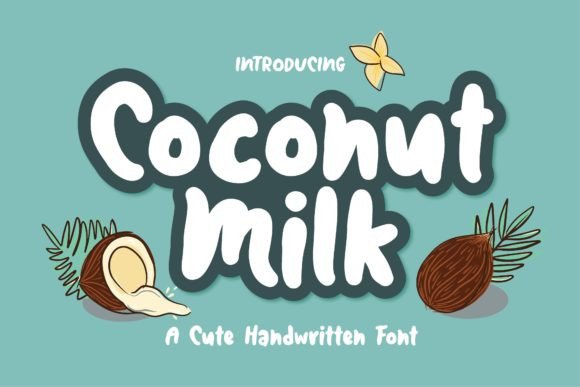
The Coconut Milk Font is a charming, handwritten typeface that brings warmth and personality to any design project. With its natural, organic curves and playful aesthetic, it stands out as a versatile option for those seeking to add a personal touch to their visual communication. Whether you're designing marketing materials, crafting invitations, or developing branding assets, Coconut Milk Font offers a unique opportunity to align your creative vision with strategic goals.
Understanding the Strategic Value of Coconut Milk Font
At first glance, Coconut Milk Font may seem like just another decorative typeface. However, its thoughtful design makes it more than an aesthetic choice—it's a strategic tool that can enhance your messaging, strengthen brand identity, and improve user engagement when used intentionally.
This font's handwritten style evokes authenticity and approachability. It’s especially effective in contexts where human connection matters most, such as wedding invitations, thank you cards, or personalized greeting cards. By using Coconut Milk Font in these scenarios, you can create a sense of intimacy and sincerity that digital fonts often lack.
Moreover, its versatility allows it to be used across a wide range of platforms, from print to digital media. This makes it an excellent choice for small business owners looking to build a cohesive brand identity without investing in custom typography.
When to Use Coconut Milk Font Strategically
Consider using Coconut Milk Font in situations where a casual, friendly tone is desired. For example:
- Wedding Invitations: The font's soft and elegant appearance complements the romantic nature of wedding stationery.
- Thank You Cards: Its handwritten feel adds a personal touch, making your gratitude more heartfelt.
- Quotes and Motivational Content: The font's whimsical character can make inspirational messages more engaging and relatable.
- Business Cards: For small businesses or creative professionals, this font can help establish a memorable brand presence.
- Logos and Branding: When used sparingly, Coconut Milk Font can contribute to a brand’s unique visual identity.
However, it's important to recognize that Coconut Milk Font may not be suitable for all applications. Avoid using it for formal documents, technical manuals, or anything requiring high readability. In these cases, a more structured and legible font would be more appropriate.
Planning Your Use of Coconut Milk Font
Before incorporating Coconut Milk Font into your designs, consider the following factors:
- Target Audience: Who are you trying to reach? If your audience prefers modern, clean aesthetics, you may want to limit the use of this font to specific elements rather than using it as the primary text.
- Brand Identity: Does your brand voice align with the playful and natural vibe of Coconut Milk Font? If so, integrating it into your visual storytelling can reinforce your brand message.
- Readability: Ensure that the font doesn't compromise the clarity of your message. Pair it with a more readable sans-serif font for body text if needed.
- Consistency: Use the font consistently across all relevant materials to maintain a cohesive look and feel.
By carefully planning how and where to use Coconut Milk Font, you can ensure that it enhances rather than distracts from your overall design strategy.
Risks of Using Coconut Milk Font Without Strategy
While Coconut Milk Font can be a powerful design asset, there are risks associated with using it without clear purpose or context. Here are some potential pitfalls:
- Lack of Professionalism: Overuse of the font in inappropriate settings can undermine the perceived professionalism of your brand or content.
- Reduced Readability: The font’s cursive style may make it difficult to read in long passages, leading to confusion or frustration for readers.
- Inconsistent Branding: Using the font inconsistently across different platforms can dilute your brand identity and confuse your audience.
To avoid these issues, always pair Coconut Milk Font with other fonts that complement it and ensure that its use aligns with your overall design and communication goals.
Practical Tips for Using Coconut Milk Font Effectively
If you decide to incorporate Coconut Milk Font into your design projects, here are some practical tips to help you use it effectively:
- Use It Sparingly: Reserve Coconut Milk Font for headings, logos, or short phrases rather than using it for large blocks of text.
- Pair It with Complementary Fonts: Combine it with a clean, sans-serif font for body text to maintain readability while adding visual interest.
- Experiment with Color and Weight: Try different color variations and weights to see how they affect the overall look and feel of your design.
- Test It Across Devices: Ensure that the font displays well on both desktop and mobile devices, especially if you're using it for digital content.
- Consider Licensing: Make sure you have the proper license to use the font in commercial projects, especially if you're using it for client work or public-facing content.
By following these tips, you can ensure that Coconut Milk Font enhances your designs without compromising functionality or professionalism.
Long-Term Value of Strategic Font Selection
Choosing the right font isn’t just about aesthetics—it’s about creating a visual language that communicates your brand’s values and personality. Coconut Milk Font, when used strategically, can become a valuable part of your brand’s identity over time.
As your brand grows, maintaining consistency in your visual elements becomes increasingly important. By establishing a clear font usage policy early on, you can ensure that your brand remains recognizable and cohesive across all touchpoints.
Additionally, using a font like Coconut Milk can help differentiate your brand from competitors. In a crowded market, even small design choices can make a big impact. A well-chosen font can set your brand apart and leave a lasting impression on your audience.
Ultimately, the key to success lies in using Coconut Milk Font with intention and purpose. Whether you're designing for a personal project or a professional client, taking the time to plan your font usage can lead to better results and greater long-term value.